OEM/ODM Outdoor Products Partner | China + Vietnam Production
- All
- Product Name
- Product Keyword
- Product Model
- Product Summary
- Product Description
- Multi Field Search


Views: 220 Author: svegaoutdoor Publish Time: 2026-01-22 Origin: Site


Content Menu
>> Advantages of Full Tang Knives
>> Disadvantages of Full Tang Knives
>> Advantages of Partial Tang Knives
>> Disadvantages of Partial Tang Knives
● Comparing Full Tang and Partial Tang Knives
● Choosing the Right Knife for Your Needs
>> Test for Comfort and Balance
When it comes to fixed blade knives, one of the most critical aspects to consider is the tang design. The tang refers to the part of the blade that extends into the handle. Understanding the differences between full tang and partial tang knives can significantly influence your choice, whether you are a collector, a chef, or an outdoor enthusiast. This article will delve into the characteristics, advantages, and disadvantages of both full tang and partial tang fixed blade knives, helping you make an informed decision.
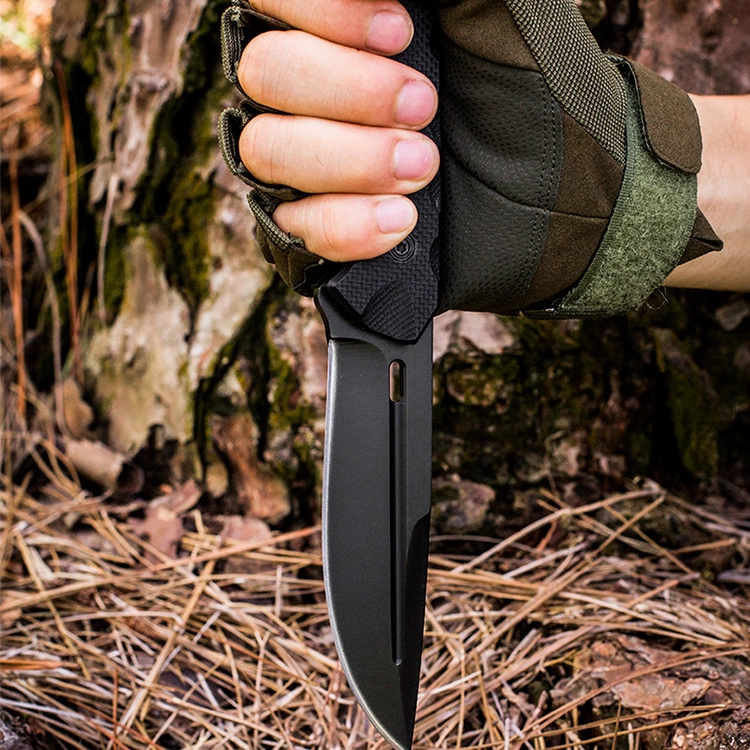
Before we dive into the specifics of full tang and partial tang knives, it's essential to understand what a tang is. The tang is the portion of the blade that extends into the handle. It plays a crucial role in the knife's overall strength, balance, and durability. The design of the tang can affect how the knife feels in your hand and how well it performs in various tasks.
A full tang knife features a blade that extends the entire length of the handle. This means that the tang is as wide as the blade itself, providing a solid and continuous piece of steel from the tip of the blade to the end of the handle. Full tang knives are often considered the gold standard in knife design due to their strength and balance.
1. Strength and Durability: Full tang knives are known for their robustness. The continuous piece of steel ensures that the knife can withstand significant force without breaking or bending. This makes them ideal for heavy-duty tasks such as chopping, batoning, and other rigorous outdoor activities.
2. Balance: The design of full tang knives allows for better weight distribution. This balance makes them easier to control and maneuver, which is particularly important for tasks that require precision.
3. Versatility: Full tang knives can handle a wide range of tasks, from culinary uses to outdoor survival situations. Their strength and balance make them suitable for various applications.
4. Longevity: Because of their durable construction, full tang knives tend to last longer than their partial tang counterparts. They can withstand the rigors of use without compromising their integrity.
1. Weight: Full tang knives can be heavier than partial tang knives due to the additional material. This might be a disadvantage for users who prefer lightweight options for extended use.
2. Cost: Generally, full tang knives are more expensive to manufacture, which can translate to a higher price for consumers. However, many consider this a worthwhile investment due to their durability and performance.
Partial tang knives, as the name suggests, have a tang that does not extend the full length of the handle. Instead, the tang may be shorter and is often secured within the handle material. This design can vary significantly, with some partial tangs being only a few inches long.
1. Lightweight: One of the most significant advantages of partial tang knives is their lighter weight. This can be beneficial for users who need a knife for extended periods, such as hikers or campers.
2. Cost-Effective: Partial tang knives are generally less expensive to produce, making them more accessible for budget-conscious consumers. They can be a great option for those who need a reliable knife without breaking the bank.
3. Variety of Designs: The flexibility in design allows for a broader range of styles and aesthetics. Manufacturers can create unique handle shapes and materials that may not be feasible with full tang designs.
1. Reduced Strength: The primary drawback of partial tang knives is their reduced strength compared to full tang knives. The shorter tang can lead to a higher risk of breakage, especially under heavy use.
2. Balance Issues: Partial tang knives may not offer the same level of balance as full tang knives. This can affect control and precision during use, making them less suitable for tasks that require finesse.
3. Durability Concerns: Over time, the bond between the tang and the handle can weaken, especially if the knife is subjected to heavy use. This can lead to handle failure, which is a significant concern for users relying on their knives for critical tasks.
When comparing the two designs, full tang knives clearly have the upper hand in terms of strength and durability. The continuous steel construction allows them to withstand more significant stress and strain, making them ideal for heavy-duty applications. In contrast, partial tang knives may be more prone to failure under similar conditions.
For users who prioritize weight and portability, partial tang knives are often the better choice. Their lighter construction makes them easier to carry and handle for extended periods. This can be particularly advantageous for outdoor enthusiasts who need to minimize pack weight.
Cost is another critical factor in the decision-making process. Full tang knives tend to be more expensive due to their manufacturing process and materials. However, many users find that the investment is justified by the knife's performance and longevity. Partial tang knives, while more affordable, may not offer the same level of reliability in demanding situations.
Aesthetically, partial tang knives can offer more variety in design. Manufacturers can experiment with different handle materials and shapes, leading to unique and visually appealing knives. Full tang knives, while often simpler in design, can still be beautiful, especially when crafted from high-quality materials.
When deciding between a full tang and a partial tang knife, consider how you plan to use the knife. If you need a robust tool for heavy-duty tasks, a full tang knife is likely the better option. However, if you require a lightweight knife for casual use or outdoor activities, a partial tang knife may suffice.
Your budget will also play a significant role in your decision. If you are willing to invest in a high-quality knife that will last for years, a full tang knife is a wise choice. On the other hand, if you are looking for a more affordable option for occasional use, a partial tang knife can meet your needs without breaking the bank.
Regardless of the tang design, it's essential to test the knife for comfort and balance. A knife that feels good in your hand will be easier to use and more enjoyable. Visit a store where you can handle different knives to find the one that feels right for you.
In summary, the choice between full tang and partial tang fixed blade knives ultimately depends on your specific needs and preferences. Full tang knives offer superior strength, balance, and durability, making them ideal for heavy-duty tasks. In contrast, partial tang knives provide a lightweight, cost-effective option for casual use. By understanding the differences between these two designs, you can make an informed decision that best suits your requirements.
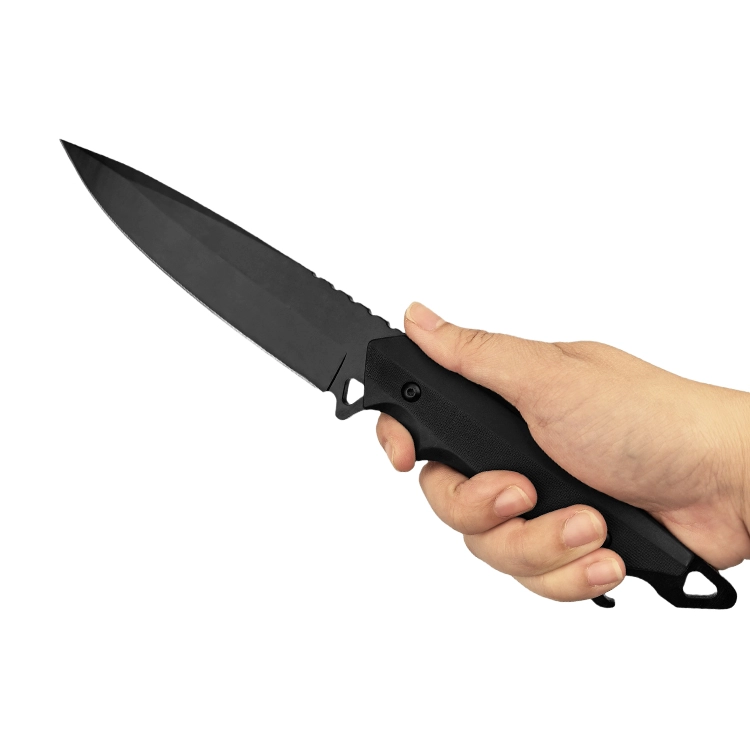
1. What is the main difference between full tang and partial tang knives?
- The main difference lies in the tang design; full tang knives have a blade that extends the entire length of the handle, while partial tang knives have a shorter tang that does not reach the end of the handle.
2. Are full tang knives better for heavy-duty tasks?
- Yes, full tang knives are generally stronger and more durable, making them better suited for heavy-duty tasks compared to partial tang knives.
3. Can partial tang knives be used for outdoor activities?
- Yes, partial tang knives can be used for outdoor activities, but they may not be as reliable for heavy-duty tasks as full tang knives.
4. Why are full tang knives more expensive?
- Full tang knives are typically more expensive due to their manufacturing process and the materials used, which contribute to their strength and durability.
5. How do I choose the right knife for my needs?
- Consider your intended use, budget, and comfort when choosing a knife. Testing different knives in hand can help you find the best fit for your needs.
Hot Tags: China, Global, OEM, private label, manufacturers, factory, suppliers, manufacturing company


